Industry News

READ OUR BLOG

Popular South Africa Beauty Brand launches an Online Training & Franchise Opportunity

Founder of UniQBrows, Unaiza Suliman, has launched an opportunity aimed at empowering women to expand their earning potential and to start their own businesses through franchising. 

With brows being a multibillion-dollar industry alone, Suliman sees an opportunity for more growth in the future, and she wants to empower women in the South African beauty industry to expand or launch their businesses. 

Suliman says one of the most significant reasons that the beauty industry in Africa is innovating is the unsurpassed diversity of our people, who must be catered to: “Historically, up in North Africa, Egyptians paved the way for beauty. Had we been alive in Cleopatra’s day, we would have immersed ourselves in baths of milk and honey. Luckily the products stocked in the UniQ franchise don’t require the expense of baths of milk and honey, and they are significantly more advanced.” 


“Everyone is born with brows,” says Suliman, “and you are faced with one of two problems — either too many or too few, hence you will always have a market.” She points out pragmatically that in the age of social media and in the hybrid way of working, the face is increasingly essential because your face is used for your profile. 


Suliman emphasizes that owning a UniQ franchise involves ongoing training, especially in the more high-end product and service offerings. “Permanent makeup has gained tremendous traction. Franchise owners have access to this training. Furthermore, we have secured the rights to some of the most sought-after lash, brow, and skincare ranges worldwide, meaning our franchisors have an incredible advantage from the outset.” 

The Uniq franchise has also expanded to include booming piercings, with exquisite jewelry that caters to everyone’s needs. 


“If you explore African culture, piercings have always played a prominent role. Once again, we see the undeniable link between what we have to offer our South African market through the business of beauty. Not only is this link exceptional, but there is also a clear link to a lucrative business if you dare to take the plunge and build the legacy you’ve dreamt of.”


Read the full article: https://mg.co.za/special-reports/2022-09-15-building-a-legacy-on-the-business-of-beauty/

Enquire about franchising opportunities: https://uniqbrows.com/franchising/

Announcement: The Africa Beauty & Home Cluster Welcomes the Support of Symrise South Africa

Symrise South Africa has become one of our platinum members, and we are proud of this newfound partnership. Moreover, the value chain members will be able to gain knowledge, new opportunities and support from this new collaboration. As the Cluster grows, we also envision the steady growth of emerging brands operating in the partnership.
Over the next few weeks, we will be getting to know this multinational company and how we, as Africans, can benefit and grow our brands through a strong focus on the ethical production of fragrances. Symrise is behind well over 34 000 fragrances. Across the world, each person may experience a Symrise product at least 20 – 30.


Our diverse approach makes us the partner of choice for many of the world’s best and biggest brands…

Read more

5 Ways to Upscale your Beauty or Home Products Business

In the African diaspora, we know that our forefathers and mothers used a wide range of natural ingredients to make up their self-care and household-care regimens. We are now reaching a time in the beauty and home industry where many young aspiring minds in Africa are making strides in the business of beauty and home products.

In this podcast by Kali Media, Tricia Wanjala from Tricia’s Naturals speaks about how she launched her hair care brand through dedication and hard work leveraging a community she created on Facebook. 

So, how do you know it’s time for you to scale up your small operation into a fully grown business? Well, if you’re finding it difficult to fulfil orders – it might be a good time to consider how you can scale up and get to a point where your product is available in stores. Read more

2022/23 Emerging Trends in Home Care Products Industry

A relaxing home is not only comfortable and cosy but also clean; as a result of spending more time at home since the beginning of the pandemic – consumers have found it incredibly important to keep their homes clean. This has given rise to more concern around health and safety. Observing the 2022 trends gives us a clear indication that consumers are becoming more conscious of the products they use and the brands they support while considering the impact on the environment and sustainability. As the times change, it’s becoming all the more imperative to change how we do things, to ensure that we use the most effective methods and products. As a home product creator, here are some consumer trends you can consider as you design new products and interact with consumers. Let’s look at some of the 2022 trends in the home care products industry. Read more

5 Safe Products for Natural African Hair

When one thinks of natural hair in the context of black people, a lot comes to mind. The natural hair conversation is an ever-evolving one that has seen many people advocate for acceptance and inclusion of hair types that aren’t straight and silky looking. As the image of black hair transforms it’s becoming paramount to accept that natural hair is here to stay! Though it is still a highly political and sensitive topic for many, progress has been made in terms of developing products that actually accommodate black people’s hair and their needs.

Read more

5 Ways to Avoid Purchasing Counterfeit Home & Beauty Products

The counterfeit market tends to show up in most industries and this does not exclude the beauty and home industries. Knock-off products have become commonplace across Africa alongside the use of dangerous and illegal chemicals for skin-lightening products. Read our article on the very issue of skin-lightening products.


Home and cosmetic products aren’t entirely immune to the creation of knock-offs by people looking for a quick buck. Unfortunately, due to the high demand for make-up on a budget consumers often buy fake products (knowingly) for the sake of saving a buck. These items have been found to contain very harmful ingredients such as cyanide, arsenic, rat poison, and urine. However, some people can’t tell the difference between an original product and a counterfeit. Read more

Aligning the A-Beauty Industry with Africa’s Online Shopping Trends

Online shopping is a concept that is relatively new to most Africans, but with the limitations brought on by the pandemic, more people have grown comfortable with purchasing products online. As an emerging business, considering online business in Africa will become as crucial as a brick-and-mortar store. 

eCommerce is fast becoming the norm for African businesses with recent research showing that more consumers are keen to cut back on transport costs and other travel-related costs. According to the 2020 McKinsey Consumer Pulse Survey, South African consumers are looking to cut down on transportation costs for their shopping experience. The reduction in going to the shop in person allowed consumers who typically wouldn’t shop online – to gain the full experience. Deloitte reported that 26% of consumers found the experience more convenient than going to the shops in person.  Read more
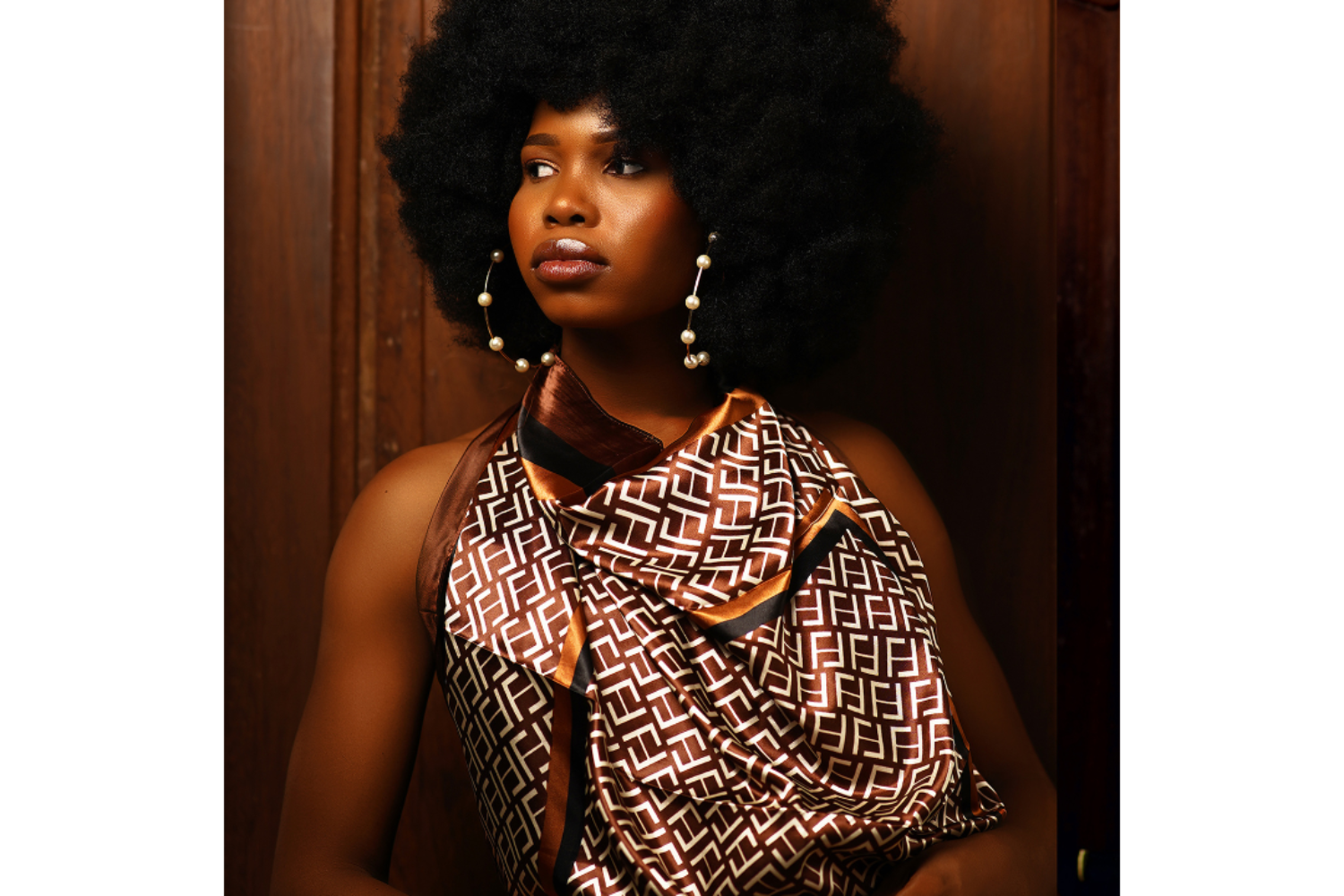
FirstCheck Africa ventures into funding more female-owned businesses

Investment in African female-owned businesses is undoubtedly the next logical step in further empowering the growth of the business sector on the continent. In a continent as diverse and as nuanced as Africa, more women are stepping forward with their own ideas and this creates a lot of room for venture capital aimed directly at female-owned startups. The pre-seed/start-up is the most challenging for any business, and due to the inherent nature of an uneven playing field in the corporate sector and startups, women’s businesses tend to fall to the wayside due to varying factors. The issue is even more difficult for black female entrepreneurs.


FirstCheck Africa has taken to understanding these challenges women face in starting their businesses and launched a venture capital fund for women-owned businesses. One of their most recent ventures was a Kenyan-based skincare company known as Uncover.   Read more

Aligning African Beauty Products to Regulations in the African Market

The African beauty industry has been quite difficult to regulate for decades; one of the biggest issues has been the use of highly poisonous components, particularly mercury. Over many years, the beauty industry in Africa has placed an unhealthy focus on skin-lightening resulting in a plethora of illegal and harmful products. Regulation is becoming increasingly important in the industry and it’s become the responsibility of the industry to ethically produce products that respond to the needs of African skin. 

South Africa, in particular, has a large proportion of illegal skin products that are still made in the country. At the helm of the movement against the use of skin bleaching creams is Professor Ncoza Dlova who published a research paper in 2012 analyzing the harmful compounds found in the top 10 bestselling creams which are likely to be illegal. 

Read more

The Growth of the Beauty & Home Sector in Africa

white drop bottle on white surface

Currently, the South African market is projected to attain a value above US$6 billion in 2024. Elaborate beauty routines have long been part of the African landscape; the rich history of beauty, makeup and homecare is enshrined in our heritage. Each tribe from ancient Egypt, the Masai, to the Nguni tribes has designed various forms of skin care and home care, and this explains why its people are invested in securing quality cosmetic and home products. Key markets in the industry that are blazing the trail in developing exclusive African products are South Africa, Nigeria, Morocco and Egypt; followed by Kenya, Tunisia, Algeria, Cote d’Ivoire and Ghana.  Read more