Escentia has been a leader in the essential oils industry since 2008. The company makes high-quality products that are affordable for everyone. Escentia is a South African company that produces high-quality essential oils, fragrances and other products. Escentia was founded in 2000 by two artists who were passionate about using natural ingredients to create beautiful fragrances.
Mission Statement: “To nurture the joy of living through fragrant experiences.”
The company was formed in 2008 by a group of aromatherapists and naturopaths who wanted to create a range of essential oils and other natural products that were not only beneficial but also good value for money. Since then they have grown their business by developing new brands and launching exciting new products to help people with their everyday health needs.
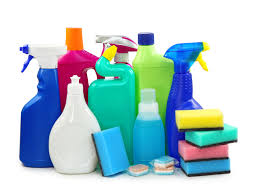
Across Africa, the issue of unemployment with varying degrees of severity across different countries. This has surprisingly led to a rise in entrepreneurship and innovation across industries and the home care sector is no exception. Everyone needs cleaning products to keep their home clean. So, a client base isn’t very difficult to access thus you might want to consider selling home cleaning to earn an income.
Conduct thorough research into your potential market
In order to determine if you have a viable business, you must first figure out the needs of your audience; determine which types of cleaning products your target market enjoys using.
In-depth market research entails conducting interviews with a small sample of your target market to understand the level of demand. Thorough research allows you to gain an understanding of your client’s pain points and find a way to resolve their problems; whether it’s at-home delivery or giving access to scarce products.
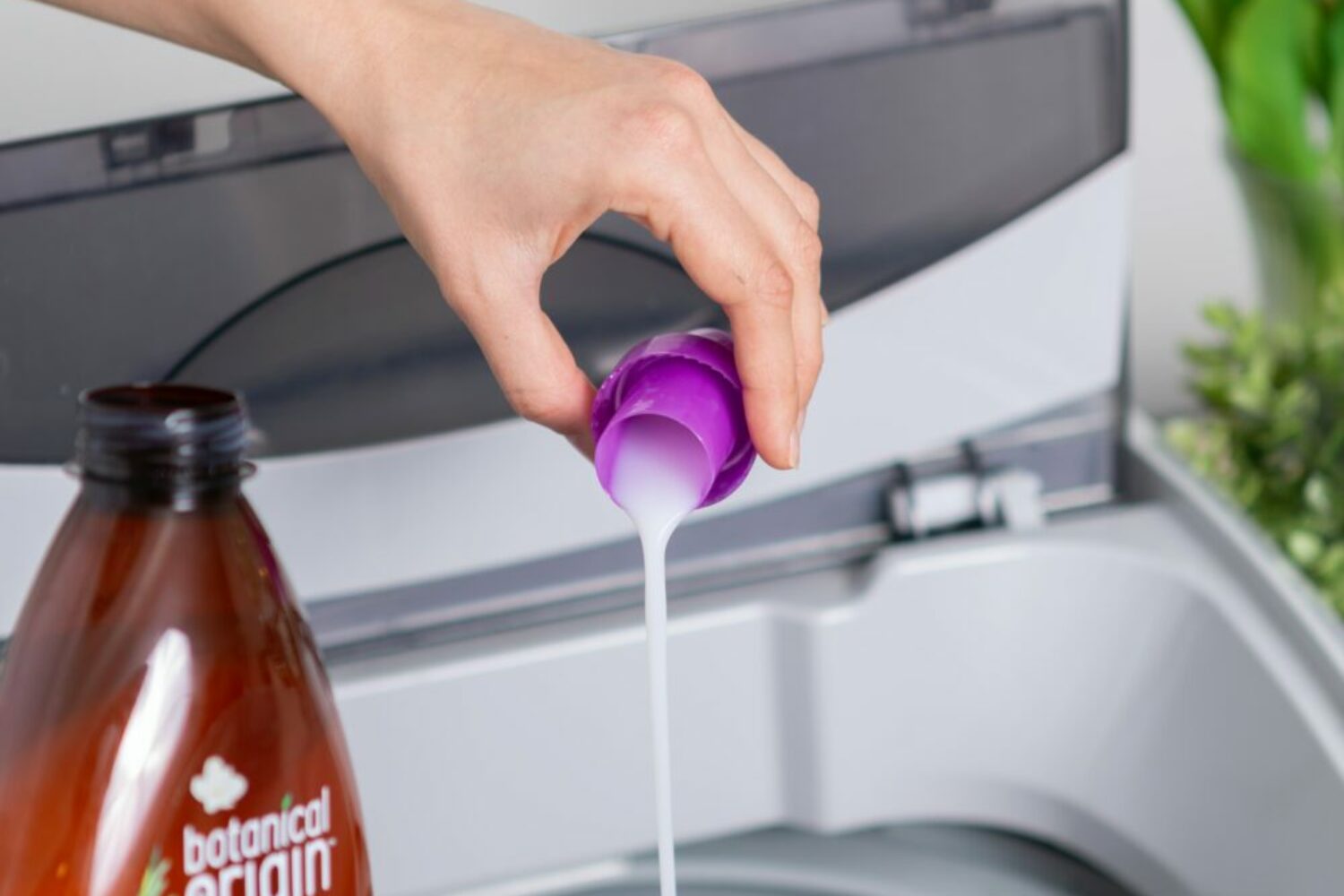
Find a reliable and quality supplier of home care products
Before you can start a business selling home products, you need to decide on a niche. This is the small area of your business that will define what types of customers you attract and how they use your product. Once you’ve chosen a niche, find a range of products that fit into it.
Create a viable option for pricing and payment options
Ideally, your products should be sold at a profit so that once everything is said and done in terms of creating the product (and shipping/handling), there’s enough left over as profit for yourself after paying all associated costs like packaging, delivery costs and personalized branding.
Capitalize on your experience and keep your costs low
You don’t want to go after a market that is already saturated with competition so consider how you can leverage your expertise and what you’re good at. You also don’t want to make it hard for people to access your products. Remember, for example, if you’re selling items online and there are no websites selling the same products, then you have found yourself an untapped niche!
Name and brand your business
When you’re choosing a name for your new business, there are several things to consider. First, make sure that the name is easy to spell and pronounce; customers will be more likely to shop with you if they can easily find you online or by word-of-mouth. Second, choose a name that reflects your niche market.
When it comes time to create an original logo for your business, keep these same concepts in mind: simplicity is key! Try starting with something like an illustration of one of the products that will be sold at your store—this makes sense when people see it because they instantly know what type of product it is (and can picture themselves owning one).
Conclusion
Whether you want to sell your products online or directly from your own home, there are plenty of ways to do so—and all without having any prior experience in this area. So if you have an idea for something that could benefit others, don’t wait any longer: start today!
Out of a database of 24,000 plants, the South African Medical Research Council has recognized 4,000 plant species as having economic potential. This may be too much for customers and product developers to handle because it goes beyond what any other region of the world can provide. AfriNatural can help individuals looking to improve and optimize cosmetics, alternative medicine, food supplements, personal care, and healthy food items because of its extensive expertise and access to this vast diversity. Afrinatural additionally provides customers
Afrinatural’s global, dependable, sustainable supply of high-quality botanicals from all over Africa, to all regions of the world, can be relied upon by buyers and product developers in the phytomedicine, pharmaceutical, nutraceutical, cosmetic, personal care, and health foods industries.
Operationally Afrinatural works directly with some of the largest private exporters of botanicals in Africa giving it access to over 25% of the world’s total biodiversity.
Abe Dua Black Soap is a natural soap made from shea butter, palm oil and coconut oil. It also includes potash, which is a mineral salt that helps remove dirt and impurities. This unique combination of ingredients makes Abe Dua Black Soap perfect for all skin types and can be used on your face as well as body.
In addition to being gentle on your skin, Abe Dua Black Soap is one of the most affordable soaps available today making it an excellent choice for those who like to take care of their health but do not have money to spend on expensive medical treatments or medications.
Benefits of Abe Dua Black Soap
Abe Dua Black Soap is a popular African soap that’s made from shea butter, cocoa pod ash and palm kernel oil. It’s been used to treat a variety of skin conditions for centuries.
The most popular use for Abe Dua Black Soap has been as an acne treatment since it contains strong antibacterial properties that help prevent pimples, clear existing breakouts and even out your complexion.
This natural black soap is also fantastic for healing and preventing wrinkles through its ability to moisturize the skin while also exfoliating dead skin cells away from the surface of your face and body (which means fewer visible lines).
Abe Dua Black Soap is both a general body cleanser and a skincare treatment product. Its versatility, effectiveness and easy use make it very popular.
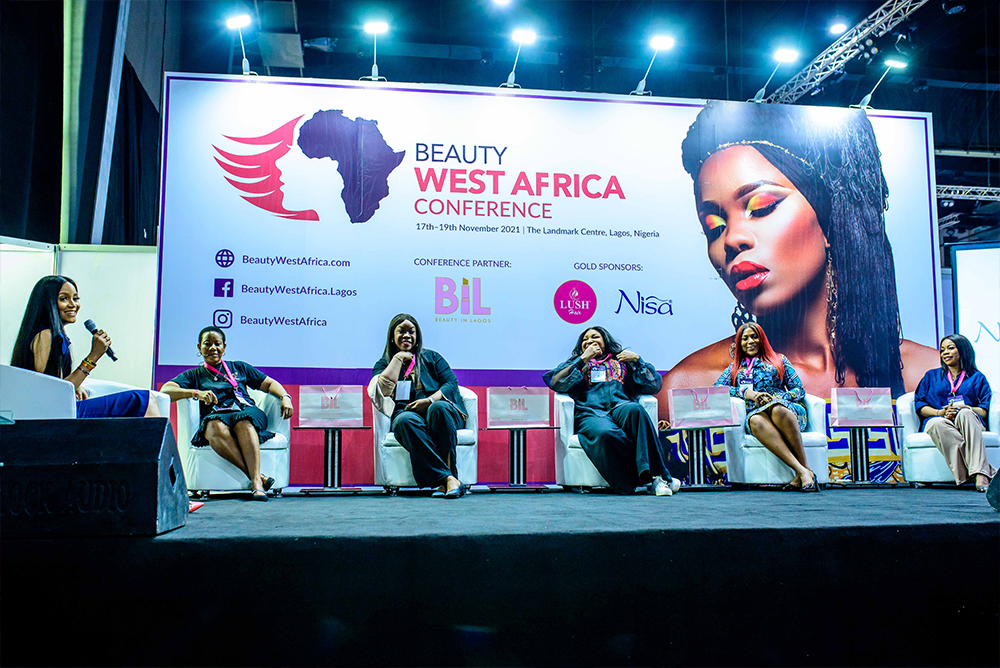
Beauty and personal care across Africa, on an annual basis, look for Beauty West Africa which showcases industry developments. This year, Beauty West Africa hosted over 220 international companies to showcase their latest products and services in cosmetics, skincare, make-up; haircare, nails and salon supplies; personal care and hygiene; professional equipment and spa; perfumes and fragrance; machinery, packaging, chemicals, ingredients and manufacturing. One of the accelerating factors is the fact that Nigeria’s fast-growing market is fuelled by it population of over 201 million people. The platform is known for increasing brands’ visibility and popularity in Africa.
If you missed this year’s exhibition; don’t worry – it’ll be back for its next instalment on the 28th of November 2023. The next two years are quite crucial for the beauty and personal care sector in Africa as a high percentage of growth is expected. This means that if you’ve been sitting on an idea for a new and innovative product or contemplating investing in a beauty business; this might be the right time to get the ball rolling.
Society of Cosmetic Scientists Nigeria (NiCosNG)
NiCosNG is an entity that is the 50th member of the International Federation of Societies of Cosmetic Chemists (IFSCC). Society is preoccupied with advancing science and technology in cosmetic and personal care industries; not just in Nigeria but across the diaspora. NiCos’s membership base includes highly qualified and experienced academics and professionals. The entity also creates publications, and educational programmes and they hold scientific meetings. Much like the AB&H Cluster, NiCosNG is a non-profit entity governed by 7 ordinary members of the Society and 5 Officers of the Society who are all elected as Full Members of the Society.
How West Africa is influencing the rest of the beauty industry in Africa
Nigeria’s minimum wage doesn’t exceed $150 yet this hasn’t stopped the country from influencing the rest of Africa’s beauty industry. Even when the economy dips, the beauty and personal care industries seem to thrive. As a result, the AB&H Cluster is very interested in the rapid growth of the industry in Nigeria; proof that the beauty business is an exponential investment. Young consumers are the driving force behind economic growth and find innovative ways to share their interests on social media. A good example is a beauty YouTuber, Dimma Umeh. In March 2021, Umeh created a video breaking down the industry from her perspective and debunking misconceptions concerning the Nigerian beauty industry.
As a result, Nigeria is one of the most influential when it comes to trends across the diaspora and brands are not only reasonably priced and offer good quality brands. Some of these brands include:
While studying Law at the University of Lagos, Alexia Horsfall began exploring life as a makeup artist. Working across the Nigerian beauty industry, she created looks for fashion magazines, television, stage productions, film, brides, and private clients. Her work ethic and creativity quickly made her an in-demand makeup artist, and she found that most people left makeup for memorable events, as they couldn’t figure out how to create beautiful ‘everyday’ looks, and feared frequent makeup use might damage their skin.
Alexia set to work at solving all these concerns, deploying her natural curiosity, extensive experience, and knowledge of beauty to pursue a new path in the industry. Thus, Alexia Horsfall Beauty – a safe-for-skin, luxury, and high-performance beauty brand – was born.
Having spent half a decade in the beauty industry, beauty queen and model, Dabota Lawson has launched a new range of 12 in one full coverage high definition powders, bronzer, and a highlight palette, The Grail.
The rise of beauty and home brands in Africa is quite an impressive one, and we are proud to profile 10 brands. These brands are making waves in the industry and are steadily competing with mainstream products. Our featured home care products offer organic options for cleaning products in South Africa. You can shop for these products online or visit the stores in the country. Read more
The rise of entrepreneurship in Africa has led to eCommerce being taken more seriously by consumers and becoming more accessible. As a result, African informal merchandisers are getting more access to a wider range of customers through eCommerce platforms linking small shopkeepers with merchandise suppliers. Apps and digital channels are allowing informal traders to up their game.
1. Omnibiz
Omnibiz, founded in 2019, is an entrant in the B2B e-commerce space aimed at retail supply chains in Nigeria and Ghana. Omnibiz acts as an infrastructure layer that connects the supply chain value chain thus connecting manufacturers, distributors and logistics providers) to retail. Operating fully in the digital realm is a huge game-changer, as Omnibiz doesn’t have its own logistics operations yet recently closed a US$15 million capital investment. Congrats are in order!
2. Wasoko
Wasoko is a platform that operates with retailers and communities in Côte d’Ivoire, Kenya, Sénégal, Tanzania, Rwanda, and Uganda. The company offers strategies to grow informal economies in Africa by directly dealing with retail constraints. The company offers delivery on demand, financing for growth and researching African market trends.
3. TradeDepot
TradeDepot simplifies product distribution by buying inventory from suppliers. The registration process is quite simple, and clients can simplify the entire retail process from shipping to pricing.
4. MarketForce
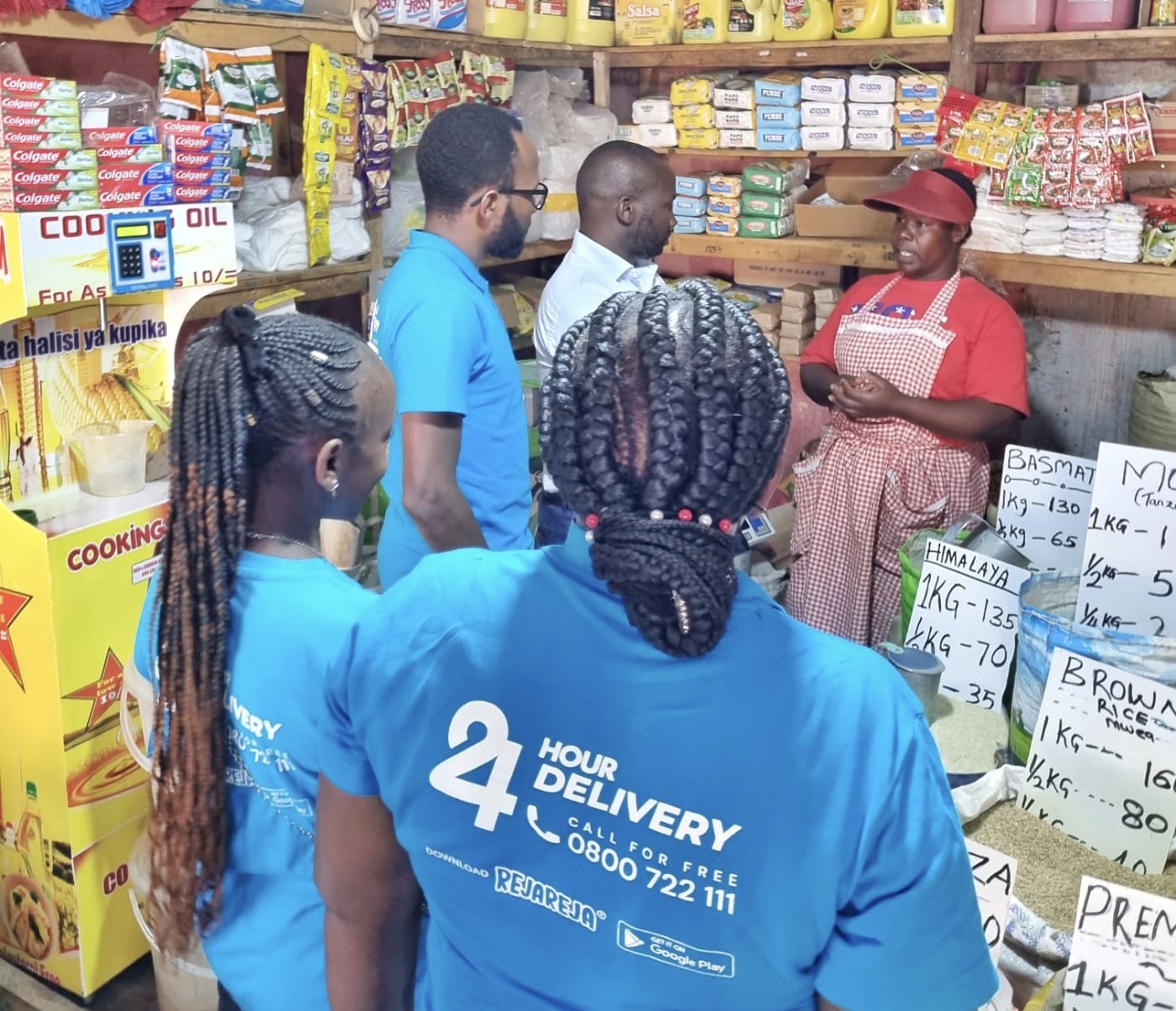
MarketForce is a Kenyan-based company launched in 2018 by Tesh Mbaabu and Mesongo Sibuti. Based in Nairobi, the platform hosts thousands of informal merchants; mainly using MarketForce’s B2B Commerce and Fintech marketplace, RejaReja, to source, order and pay for inventory at any time via interactive mobile channels, and get it delivered directly to their store by the nearest distributor, within hours, every day.
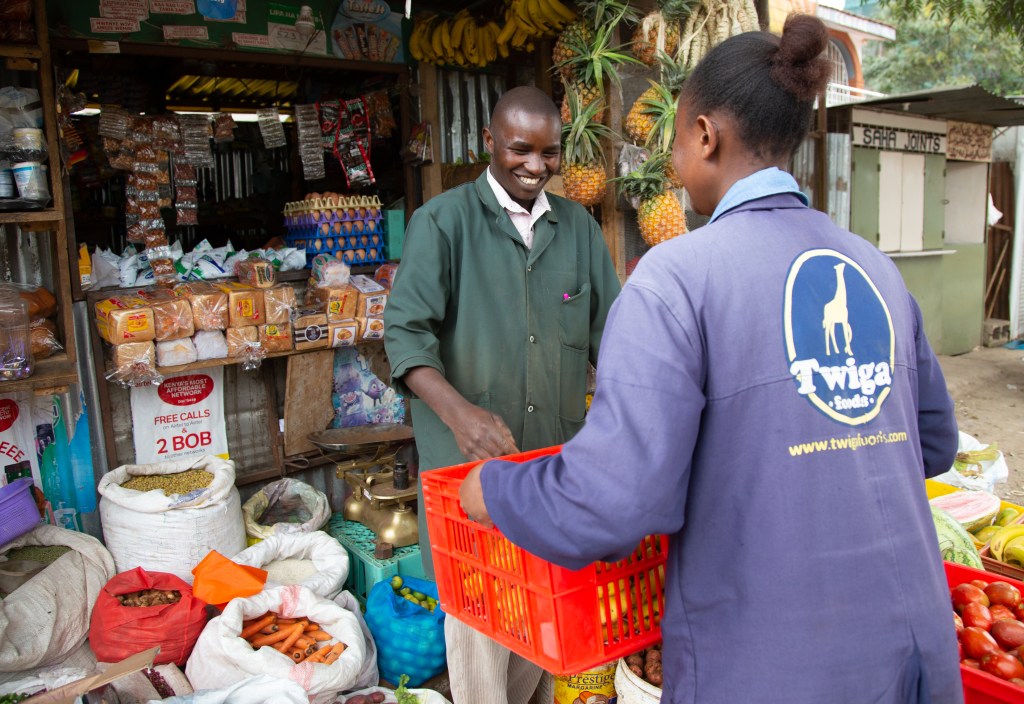
5. Twiga
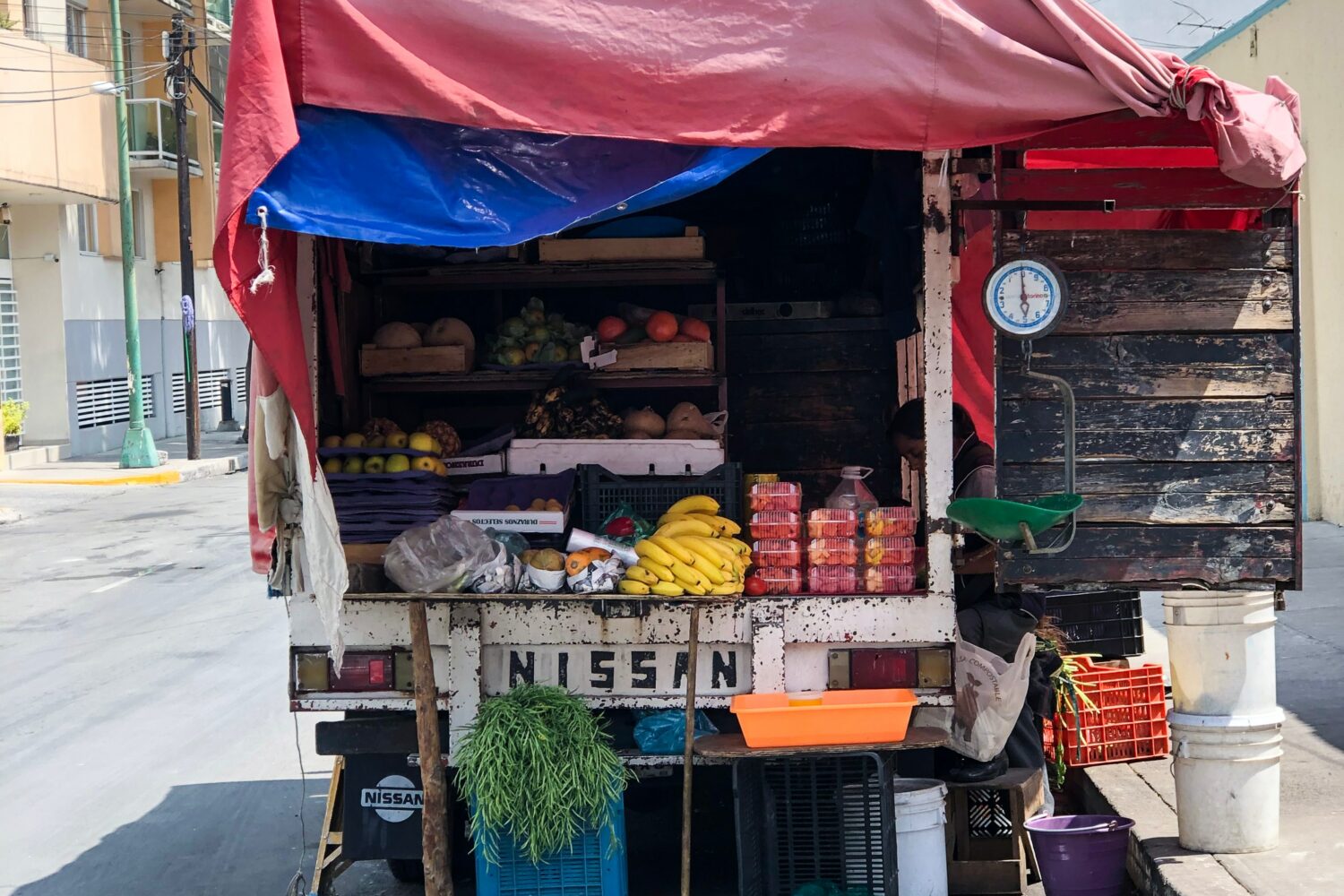
Twiga is addressing the issue of food security and food deserts in Kenya by connecting fruit and veggie vendors to farmers, suppliers, vendors and customers with high-quality produce, groceries and home goods.
In the African Beauty and Home industries, we’ve seen rapid developments in new and emerging brands. The AB&H Cluster is growing to become a highly beneficial initiative for emerging and established businesses in the beauty and home industry. The rise in demand for products that respond to the needs of consumers all while adhering to quality requirements in the industry. In the international market, the Sub-Saharan region accounted for over €5 billion in revenue in 2017. As the market grows, we are also growing as a cluster to create an environment that equips small businesses with the know-how and practical tools to navigate the market.
The mission of the AB&H Cluster is to promote business interconnection and collaboration among our members across the value chain.
Complimentary Services for Brands, Investors, & Consumers
Through AB&H Cluster, consumers invested in directing their spending power to African brands finally have a place to catch up on the latest trends and products in the market. Investors also have an opportunity to keep their fingers on the pulse of a rapidly expanding market. See our ABOUT section for more.
As people across the world grow more and more eco-conscious, it’s becoming increasingly important for consumers to buy products that are less harmful to the environment. Through scientific research, it has been discovered that many cleaning products contain harmful chemicals that can lead to respiratory illnesses or skin irritations. In addition, the use of plastic packaging also negatively impacts the environment.
As more consumers become occupied with clean living, it’s becoming increasingly important for manufacturers to align with consumer values. Safe cleaning in the home is leading to reduced health risks. Most people also have children and pets, and the toxicity consideration is quite important in this regard.
The rise of eCommerce in Africa is allowing the growth of the beauty industry; an example of this growth is the rise of Source Beauty. The growing beauty industry requires platforms like Source Beauty to market African products and ensure that products are ethically sourced.
Launched in 2018, Source Beauty is a women-led one-stop-shop with over 85 local and international beauty brands and 60,000 users. The marketplace provides customers with affordable and easy access to beauty products, and exposes them to products sourced from the best raw materials by female start-ups. It also provides established and emerging brands with an interactive shop window.
ECC, meanwhile, offers 360-degree services in manufacturing and distributing scientifically-proven innovative cosmetic products. VC firm Lorax Capital Partners recently acquired a significant minority stake in ECC and is supporting the company’s expansion plans.
The acquisition of Source Beauty provides a substantial opportunity to offer an enhanced service to Source Beauty’s clients, including new product innovation and manufacturing know-how. Lydia Schoonderbeek, the founder and CEO of Source Beauty, will continue in her role in addition to assuming the role of chief creative officer of ECC.
“The funds will reinforce an accelerated digital and physical marketing strategy to reach a broader customer base, enhancing customer retention and brand visibility as well as expanding the team,” she said. “This strategic investment by ECC is a gamechanger for Source Beauty and we’re all hugely excited about the future. Since Source Beauty’s inception, I have been determined to change the beauty space in Egypt to truly address the needs of the Egyptian consumer.”
Dr Ahmed Abo El Hamail, co-founder and vice-chairman of ECC, said Source Beauty’s brand and company values made it a great fit.
“We are delighted to back Lydia, and believe that her continued role at Source Beauty as well as her new role at ECC complement the new chapter we are building for the group,” he said.
Original Article: https://disrupt-africa.com/2022/09/19/egyptian-beauty-e-commerce-platform-source-beauty-acquired-by-leading-local-beauty-firm/


 Find a reliable and quality supplier of home care products
 Conclusion


 NiCosNG is an entity that is the 50th member of the International Federation of Societies of Cosmetic Chemists (IFSCC). Society is preoccupied with advancing science and technology in cosmetic and personal care industries; not just in Nigeria but across the diaspora. NiCos’s membership base includes highly qualified and experienced academics and professionals. The entity also creates publications, and educational programmes and they hold scientific meetings. Much like the AB&H Cluster, NiCosNG is a non-profit entity governed by 7 ordinary members of the Society and 5 Officers of the Society who are all elected as Full Members of the Society.




 5. Twiga

