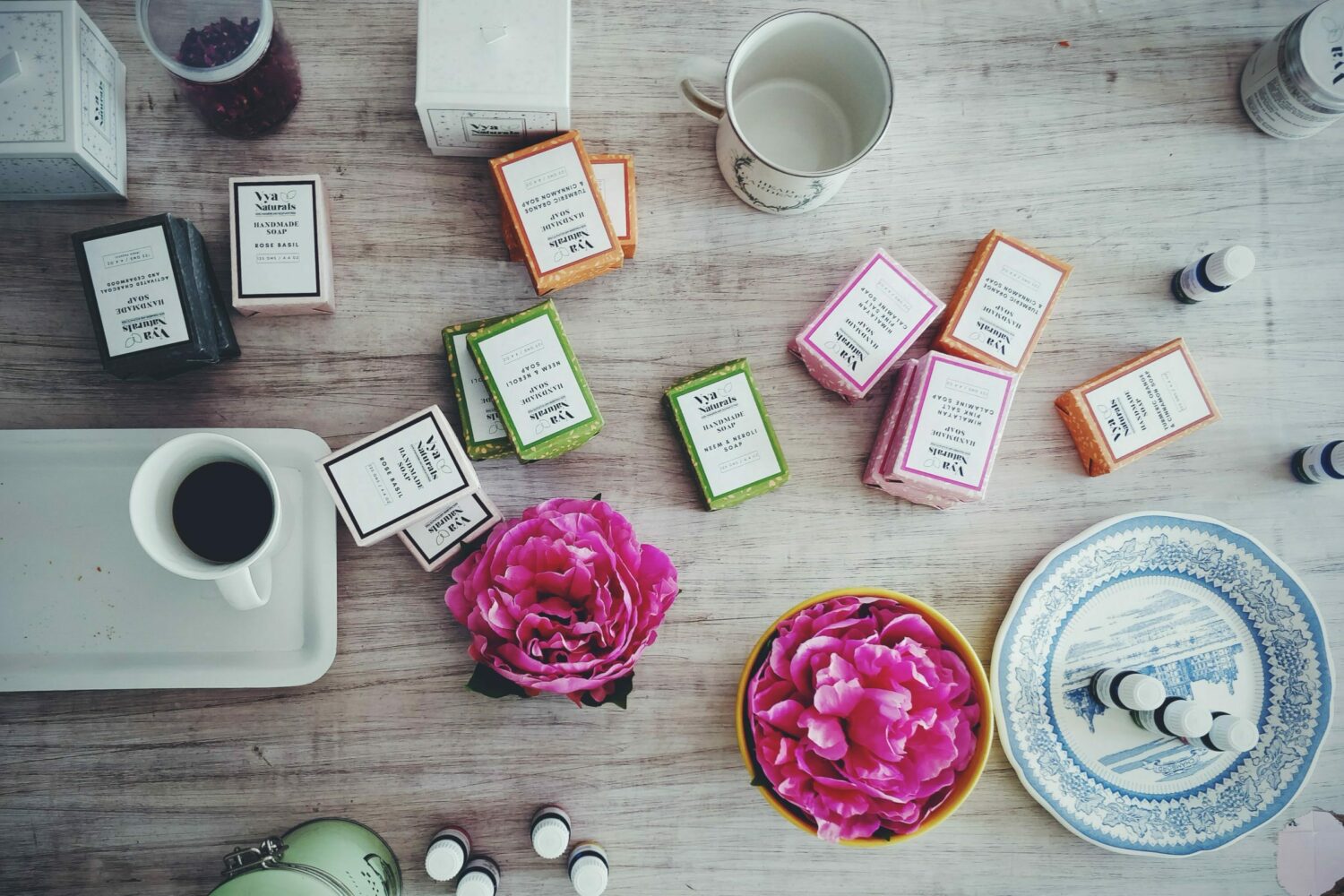
In the African diaspora, we know that our forefathers and mothers used a wide range of natural ingredients to make up their self-care and household-care regimens. We are now reaching a time in the beauty and home industry where many young aspiring minds in Africa are making strides in the business of beauty and home products.
In this podcast by Kali Media, Tricia Wanjala from Tricia’s Naturals speaks about how she launched her hair care brand through dedication and hard work leveraging a community she created on Facebook.
So, how do you know it’s time for you to scale up your small operation into a fully grown business? Well, if you’re finding it difficult to fulfil orders – it might be a good time to consider how you can scale up and get to a point where your product is available in stores.

1. Meet Beauty & Health Industry Standards
Of course, this is an exciting step to take whether you’re doing it on a full-time basis or as a side hustle. The most important thing is to have a passion for what you’re creating and ensure that your product is effective. The safety of your consumers comes first! Be sure to read and research the regulations in your country to ensure you meet all the requirements for best practices in manufacturing home and beauty products.
2. Focus on your Niche Market
Depending on your processes and your ingredients so you need to decide if you’re creating a luxury product or a general product for everyday use. This allows you to create branding and communication that aligns with your target market. Connecting with potential clients in this way allows you to build a loyal customer base that will buy your products and push your brand forward.
3. Choose your Hero Product
As your business grows, you will be able to identify which product customers enjoy the most across the board. This will be your hero or flagship product; your entire range matters but a focus on a specific product allows you to decide what your niche will be and how you will compete in the market. Your flagship product should also reflect the ethos of your brand and you need to focus on how it addresses a direct challenge your customers face.
4. Partner with an Industry Expert and a Manufacturer
As your operation grows; you will need to consider the science and the manufacturing of producing an ethical product. Partnering with a manufacturer beats working from your kitchen or garage by a mile because your product will become more standardised and consistent in quality and quantity.
5. Find an Effective Distribution
Deciding how you’ll sell your product is important. Social media and online shopping is the best way to begin, you just need to find an effective shipping company to assist you with deliveries. You can also enquire with all types of shops that supply similar products to find out if they’ll take your product on consignment. Don’t rush to rent a store or buy property to have your business as this might not be viable in the long run and cause your product to be expensive.
As the Africa Home & Beauty Cluster, we aim to educate consumers on the importance of shopping ethically! The businesses in the cluster can also benefit from the organization through our workshops and training programs to ensure that an emerging business is to include viable ingredients in their products. The AB&H Cluster aims to grow this thriving community of beauty and home products passed down from one generation to the next. The platform will grow into a reservoir of resources and knowledge, and a tool of empowerment for African brands to craft successful strategies in penetrating a high-potential yet saturated market. With the key players located across Sub-Saharan Africa, The AB&H Cluster is well-positioned to propel and empower emerging brands.
Reach out to us on social media or via email!